
Home / Blog / What is a mix engineer, and do you need one for your own tracks
What is a mix engineer, and do you need one for your own tracks
A mix engineer balances your finished parts into one record. Abbey Road charges £300 to £540 a song, a London freelancer £99. When that money is worth spending.
Some links below are affiliate links. We may earn a commission if you sign up or buy through one, at no extra cost to you. See our privacy policy.
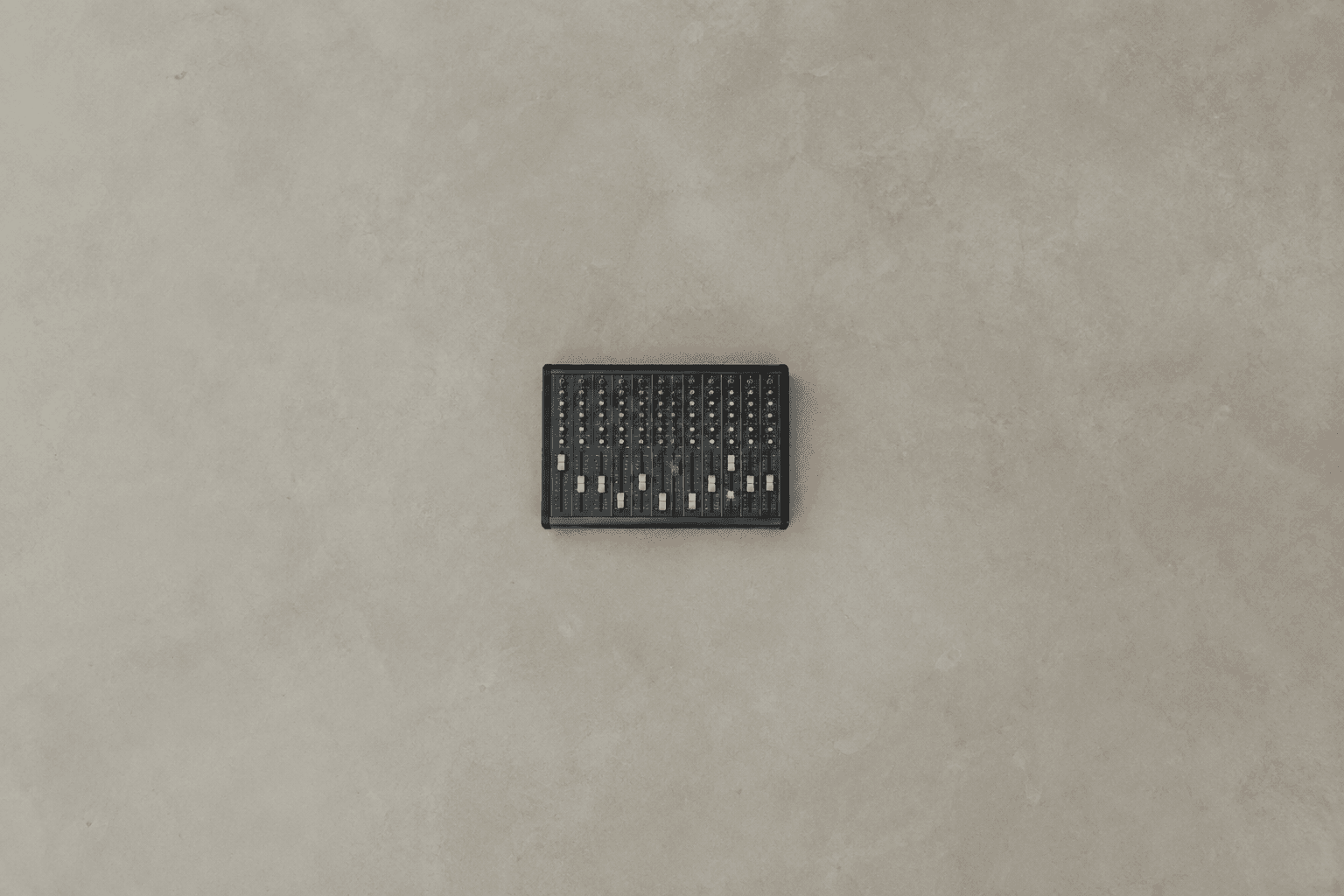
A mix engineer takes the finished parts of your track, every recorded and programmed element as a separate audio file, and turns them into one balanced record. Levels, tone, space, depth, and a vocal sitting where you can hear every word. It is a specific job with a specific handover, and it sits between production and mastering. Pay one when a record is going out to strangers and you have stopped being able to hear your own track. Skip it for the first couple of years, because mixing your own material badly is how you learn what the job involves.
Prices here were checked on 4 September 2026 against published tariffs rather than quotes, since most engineers will not print a number at all. Abbey Road Studios and Product London both publish a full price list, which makes them useful ends of the same market.
Quick verdict
Going out on a label, pitched for sync, or a record you still want to hear in five years: pay a mix engineer. £150 to £350 is the working UK freelance range. First release, still learning your DAW, tracks nobody outside your group chat will hear: mix it yourself and spend the money on room treatment. Somewhere in between: pay once, ask for notes on what they changed, and treat the invoice as a lesson.
What a mix engineer actually does
You hand over a session as separate parts. Kick, snare, each synth, every vocal take, each guitar. The engineer sets relative levels, carves frequency space so two instruments stop fighting each other, controls dynamics with compression, places things left to right and front to back, and automates the ride so the chorus lifts. What comes back is a single stereo file, often with grouped stems alongside it for later use.
The three studio jobs get muddled because one person does all three on most small releases. A producer shapes the song: arrangement, sounds, performances, what stays and what gets cut. A mix engineer balances what the producer decided. A mastering engineer takes the finished stereo mix and prepares it for release, setting final level and broad tone so track three does not jump out against track one. Our guide to AI mastering tools covers the last of those on its own.
| Role | Receives | Hands back | Typical UK cost |
|---|---|---|---|
| Producer | A song idea, or nothing | Finished arrangement, sounds and performances | Fee plus around 3 points of master royalties |
| Mix engineer | Every part as a separate file | One balanced stereo mix | £99 to £540 a song |
| Mastering engineer | The finished stereo mix | Release-ready master, levels matched across a release | £25 to £35 a track alongside a mix |
What it costs in the UK
| Service | Price per song | What that covers |
|---|---|---|
| Abbey Road remote mixing, 1-4 tracks | £300 | Mix only, one set of revisions |
| Abbey Road remote mixing, 9-24 tracks | £420 | Mix only, one set of revisions |
| Abbey Road remote mixing, up to 64 tracks | £540 | Mix only, one set of revisions |
| Product London, 2-10 stems | £99 | Mix and master, WAV plus 320kbps MP3 |
| Product London, 21-30 stems | £199 | Mix and master, WAV plus 320kbps MP3 |
| Product London, 30+ stems | £249 | Mix and master, WAV plus 320kbps MP3 |
Both tariffs price by track count, because track count is what eats the engineer's day. A four-track singer-songwriter demo and a sixty-track indie record are different jobs with the same name. The gap between the two lists is the part worth understanding: £540 against £249 on a big session, and the cheaper one includes the master. Abbey Road's price buys the room, the monitoring and the engineer's other credits, all of which are real. They are not five times more real.
Between those two sits the market most people actually buy in. UK freelance engineers with a few years of released work behind them land around £150 to £350 a song. Below roughly £80 you are usually buying a preset chain and a loudness maximiser, which is a service, and not the one described above.
How mix engineers get paid
Usually a flat fee per song, invoiced on delivery, sometimes half in advance. Royalty points exist and are smaller than people assume. The convention Major Mixing sets out is one point for a mix, meaning one percent of master revenue, against around three points for a producer. Their own warning about taking points instead of a fee is the sensible one: unless the record does real numbers, one percent is worth less than the invoice would have been. Points are also frequently recoupable, so the label deducts the mix fee before any royalty is paid at all.
The salaried version of this work barely exists as a mixing-only role. The National Careers Service puts studio sound engineer at £21,000 starting and £40,000 experienced, and that profile covers recording, editing and mixing together, mostly at facilities rather than freelance. Anyone pricing their own mixing work should read those figures as what the staff route pays, not as what per-song mixing earns.
When paying one is worth it
- The record is going out under a label, a publisher or a sync agent, where a weak mix costs you the placement rather than a few plays.
- You have mixed it eleven times and each version sounds worse than the last. That is your ears, not the track, and a fresh pair fixes it in an afternoon.
- You recorded real instruments in a real room. Live drums, a full band, an acoustic guitar with bleed on every microphone: this is where experience shows most and where automated tools do worst.
- You are releasing an EP or an album and want the tracks to sound like they belong to each other.
- Your monitoring cannot be trusted. Mix on headphones in an untreated room and your tracks fall apart in the car, at which point you are buying the engineer's room as much as their skill.
When it is not worth it
If the arrangement is the problem, mixing will not fix it. Engineers say this constantly and artists keep not believing it. A muddy mix is often four parts occupying the same three hundred hertz, and the answer is deleting one of them, not another EQ move. Send a track that is finished as a piece of music, or you are paying somebody £250 to tell you what an hour of honest listening would have.
The other case is learning. Mixing your own material for a couple of years teaches you what compression does to a snare and why the vocal vanishes in the chorus, and there is no shortcut past it. Our ten things we wish we had known piece makes the same argument about finishing tracks: the badly mixed record you released teaches more than the perfect one you never sent.
What you have to send them
Engineers charge more, or decline the work, when a session arrives badly prepared. The Recording Academy's Producers & Engineers Wing publishes Delivery Recommendations for Recorded Music Projects, updated on 19 November 2024 by a panel including George Massenburg and the Wing's Maureen Droney. It is the closest thing the industry has to an agreed standard for handing a project to someone else, and it is free to read.
- One audio file per part, every file starting at the same point in the timeline, so they line up when dropped into a new session.
- Consolidated and named plainly: kick, snare, bass_di, lead_vox_comp. Never audio_07.
- The same sample rate and bit depth throughout, and nothing on the master bus. Take the limiter off before you export.
- Peaks a few decibels below zero on every part, so nothing clips before the engineer has touched it.
- Your own rough mix, bounced the same day. This is the most useful file in the folder, because it tells the engineer what you were aiming at.
- Tempo, key, any reference tracks, and a short note on what you want fixed.
Can software do it instead
Partly. iZotope's Neutron 5 runs a Mix Assistant that listens to your session, sets relative levels and builds a starting signal chain across five plugins. Sound On Sound's review called the improved assistant impressive on individual tracks and less successful on buses, where it can be too aggressive and where its short analysis window may never hear anything representative. iZotope lists Neutron 5 at $299 and Neutron 5 Elements at $55; Sound On Sound quotes £239 and £49 in sterling.
That is an honest description of a genuinely useful tool and of its ceiling. It reaches a sensible starting balance faster than a beginner will, and it makes no decision about what the song is doing. The same split runs through our AI mastering guide: software handles the measurable part well and the judgement part not at all.
Learning to do it yourself
Mixing is taught as a subject in its own right across the UK, and it is one of the cheapest things on any school's price list. ICMP runs a six-week Music Production & Mixing evening course in Kilburn at £199, the lowest entry price of any provider we list. Point Blank's online arm sells Art of Mixing as a three-month short course at £775, one live class a week, with intakes in July and October 2026. Abbey Road Institute in Islington runs masterclasses led by working mix engineers including Andrew Scheps and Marta Salogni, priced at the other end of the market entirely.
Before booking any of it, fix what you are listening on. A £199 course will not help while a standing wave is hiding your low end. Our acoustic treatment guide covers speaker positioning and bass trapping in an ordinary bedroom, and the whole job costs less than one professional mix.
What is the difference between mixing and mastering?
Mixing balances the separate parts of one song against each other and produces a stereo file. Mastering takes that stereo file and prepares it for release: final level, broad tonal shaping, and matching it against the other tracks on the same EP. Different job, usually a different person, and much cheaper. Product London prices mastering at £25 to £35 a song when it comes bundled with a mix.
How much should I pay to get one song mixed?
Published UK tariffs run from £99 at Product London for a small stem count up to £540 at Abbey Road for a 64-track session. The freelance middle sits around £150 to £350 for an engineer with released work behind them. Paying under about £80 usually buys automated processing rather than a mix.
Should I give a mix engineer royalty points instead of a fee?
Rarely a good trade for either side. The convention is one point of master revenue for a mix, against about three for a producer, and unless the record performs, one percent of very little is worth less than the invoice. Points are often recoupable against the fee as well, which removes most of the upside the engineer thought they were getting.
How many revisions should I expect?
Abbey Road's remote service includes one set, defined on its own price page as minor tweaks to balance and effects. Freelancers commonly offer two or three, with further passes charged by the hour. Agree the number in writing before you send anything, because unlimited revisions usually means the engineer has priced that risk into the fee.
Do I send stems or the whole project file?
Stems, meaning one audio file per part, every file starting from the same point in the timeline. Project files only work if the engineer runs the same DAW and owns the same plugins, which is rare enough to not plan around. Strip processing off your master bus before exporting.
Can I mix my own records and still call myself a producer?
Yes, and most people releasing electronic music do. The two jobs only separate once budgets or track counts get large enough to justify a second set of ears. Our piece on producing without a degree covers how credits actually get counted in this trade.
Will an AI mixing tool do the job for free?
Not free, and not the whole job. Neutron 5 Elements is £49 and gets a session to a sensible starting balance quickly. It will never decide that the second synth line should not be there, which is the change that most improves most amateur mixes.
Sources
Every price and fact above traces to a school or platform's own site, dated on its own listing page. See the methodology for how that works.
- Abbey Road Studios: remote mixing prices, checked 4 September 2026
- Product London: audio mixing prices, checked 4 September 2026
- National Careers Service: studio sound engineer job profile
- Recording Academy Producers & Engineers Wing: technical guidelines
- Recording Academy: 2025 Delivery Recommendations for Recorded Music Projects, published 19 November 2024
- Major Mixing: what royalty rate do mixing and mastering engineers get
- Sound On Sound: iZotope Neutron 5 review
- iZotope: Neutron 5 product page
- MusicRadar: iZotope updates Neutron 5 and its Mix Assistant
- ICMP: Music Production & Mixing short course
- Point Blank: Art of Mixing, online short course