
Home / Blog / Best headphones for mixing when you can't use monitors
Best headphones for mixing when you can't use monitors
Seven pairs from £19.90 to £199 at UK prices, why the 250 ohm amp warning is mostly out of date, and how to pick open or closed back.
Some links below are affiliate links. We may earn a commission if you sign up or buy through one, at no extra cost to you. See our privacy policy.
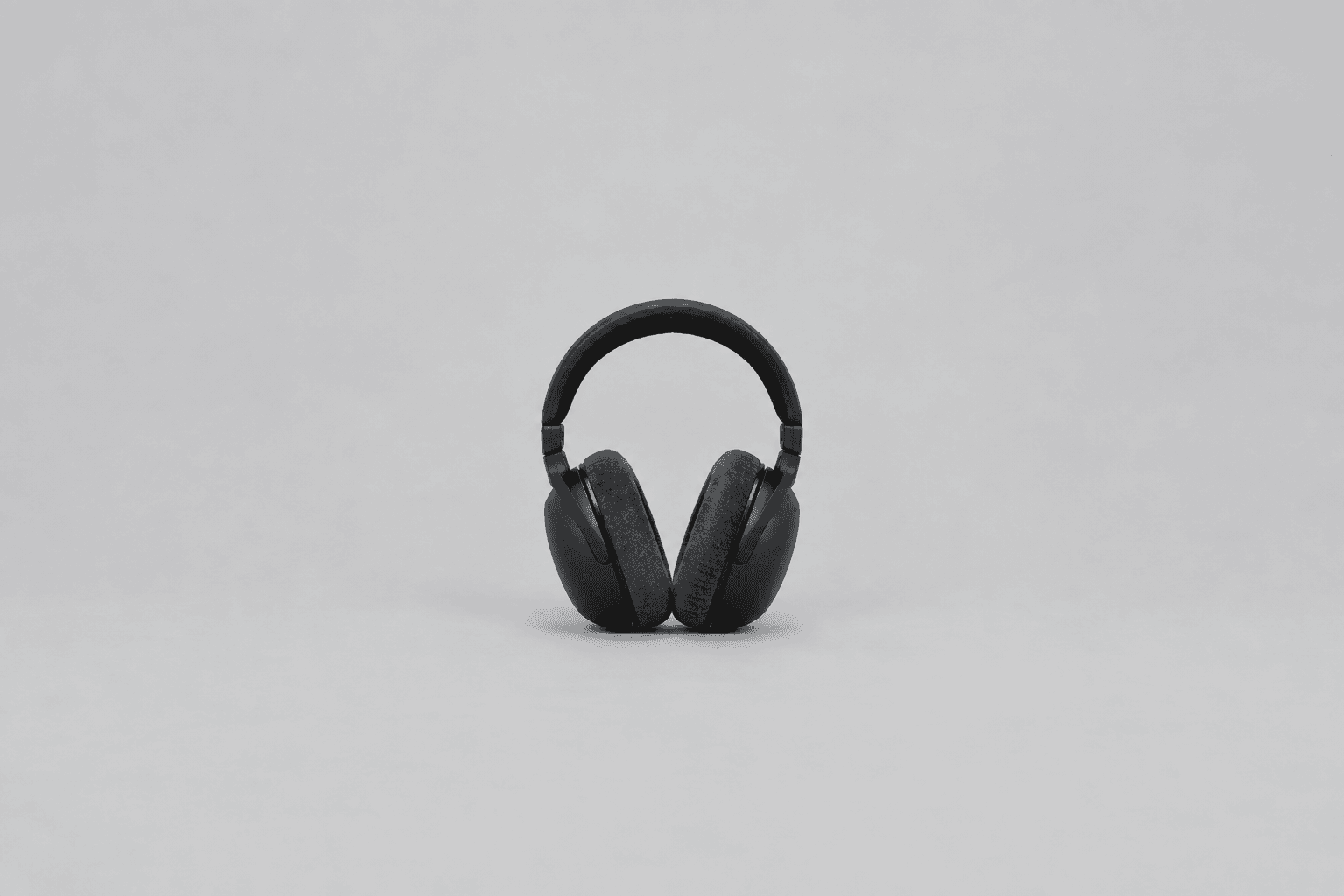
Buy the Sennheiser HD 560S at £122 if you have the room to yourself, and the Beyerdynamic DT 770 Pro 80 Ohm at £129 if you do not. That is the whole decision. Everything else on this page is detail, including the impedance question that most headphone guides build themselves around, which turns out to matter far less in 2026 than it did when the advice was written.
Prices below were checked at Thomann UK on 12 September 2026 and the specifications come from each product page and each manufacturer's own documentation. Three of the standard picks, the DT 770 Pro, the DT 990 Pro and the Audio-Technica ATH-M50x, all sit at exactly £129 today, so money is not what separates them.
Quick verdict
Alone in the room and mixing: Sennheiser HD 560S, £122, open back, the flattest thing here at the price. Sharing the space, or recording with a microphone open: Beyerdynamic DT 770 Pro 80 Ohm, £129, closed back, 5,377 ratings at 4.8. Spending as little as possible and still getting something usable: Sony MDR-7506, £85, or the Superlux HD-681 at £19.90 if £85 is out of reach this month.
The 250 ohm amp warning is mostly out of date
The standard advice runs like this: the Beyerdynamic DT 990 Pro comes in a 250 ohm version, high impedance headphones need more voltage to reach a given volume, so you will need a separate headphone amplifier on top of the £129. Beyerdynamic themselves encourage the reading. Its own product page labels the 80 ohm version "Universal Studio" and the 250 ohm version "Professional Devices", and the FAQ there says the impedance variants exist for compatibility with either a compact home studio interface or a professional setup with a headphone amplifier.
Then you look at what a cheap interface actually puts out. Focusrite publishes the figure for the Scarlett Solo 4th Gen and the 2i2 4th Gen, and it is the same headphone amplifier in both: 32mW into 33 ohms and 22mW into 300 ohms. The DT 990 Pro's own sensitivity is 96 dB per milliwatt. Twenty-two milliwatts into a pair rated at 96 dB/mW works out at roughly 109 dB, which is louder than anything you should be mixing at for an afternoon. Our interfaces under £150 guide covers what else that money buys.
A recent Mac does it without an interface at all. Apple's support article on high-impedance headphones, last updated 25 March 2025, says the 3.5mm jack detects the load and adapts: up to 1.25 volts RMS under 150 ohms, and 3 volts RMS for anything from 150 ohms to 1k. Three volts into 250 ohms is about 36mW, which puts the same headphones near 111 dB. The article names MacBook Pro from 2021, MacBook Air from 2022, Mac Studio from 2022, and iMac, Mac mini and Mac Pro from 2023.
Where the warning still holds
None of the above applies to an older Windows laptop, a phone with a dongle, or an interface whose manufacturer does not publish an output figure at all. If you cannot find a milliwatt number for the thing you are plugging into, buy headphones under 100 ohms and stop thinking about it. The 48 ohm Beyerdynamic DT 900 Pro X exists for exactly this reason, and Beyerdynamic sells it on running at studio level from any playback device.
Sensitivity decides it, and the spec sheets hide that
Impedance on its own tells you very little. The number that sets how loud a pair goes on a given amount of power is sensitivity, and manufacturers quote it against two different references, which makes two spec sheets impossible to compare at a glance. Sennheiser rates the HD 560S at 110 dB per volt. Beyerdynamic rates the DT 990 Pro at 96 dB per milliwatt. Those are not the same measurement.
Converting Sennheiser's figure onto the milliwatt basis: one volt across the HD 560S's 120 ohms is about 8.3mW, so 110 dB at 8.3mW is near 101 dB at one milliwatt. That leaves the HD 560S about five decibels more efficient per milliwatt than the DT 990 Pro while also being less than half the impedance. The DT 990 Pro is the hardest pair on this page to drive on both counts at once, and it is the pair every guide warns you about, which is how the impedance story got started. The Sony MDR-7506 sits at the other end at 63 ohms and 106 dB, which is why it has spent thirty years plugged into camera bodies and portable recorders.
Open or closed, decided by who else is in the room
Open back headphones let air through the back of the driver. That gives a wider, less boxed-in stereo image and less of the pressure build-up that makes long sessions tiring, and it is the reason the mixing recommendations lean open. The cost is that they leak. Someone sitting near you hears a thin version of your mix, and you hear their television.
Closed back seals the cup. You lose some of that width and gain isolation in both directions. If the reason you are on headphones is a housemate asleep through the wall, an open back at a sensible level is still far quieter than monitors and is usually fine. If the reason is someone sitting in the same room, or a microphone recording while you monitor, closed back is the only answer, because an open pair will put your own backing track into the vocal take. Our microphone guide covers that end of it.
The shortlist
| Headphones | Back | Impedance | Price (Thomann UK) | What stands out |
|---|---|---|---|---|
| Superlux HD-681 | Semi-open | 32 ohm | £19.90 | 6,298 ratings at 4.4, costs less than an XLR cable |
| Sony MDR-7506 | Closed | 63 ohm | £85 | 106 dB sensitivity, runs off anything, 1.2m coiled cable |
| Sennheiser HD 560S | Open | 120 ohm | £122 | 6Hz to 38kHz, 240g, detachable cable |
| Beyerdynamic DT 770 Pro | Closed | 80 ohm | £129 | 5,377 ratings at 4.8, the isolation pick |
| Beyerdynamic DT 990 Pro | Open | 250 ohm | £129 | 96 dB/mW, the one the amp warnings are about |
| Audio-Technica ATH-M50x | Closed | 38 ohm | £129 | Three detachable cables, folds flat, 38 ohm |
| Beyerdynamic DT 900 Pro X | Open | 48 ohm | £199 | Replaceable pads and cable, drives off a phone |
Sennheiser HD 560S, £122
The one to buy if nobody else is in the room. Sennheiser quotes 6Hz to 38,000Hz and distortion under 0.05% at 90 dB, and at 240g it is the lightest pair here by a clear margin, which is what you notice on the fourth hour rather than the first. The cable is detachable, 1.8m, terminating in a 3.5mm plug with a 6.3mm adapter in the box. Thomann has it at 4.7 from 133 ratings, and a B-stock at £104 if you do not mind a mark on the cup.
It is sold as an audiophile headphone rather than a studio one, and the tuning is flat enough that it works as both. The complaint that comes up is bass roll-off relative to what a club system will do, which matters if you make music for one. That is an argument for checking the low end somewhere else rather than for buying something bassier.
Beyerdynamic DT 770 Pro 80 Ohm, £129
5,377 ratings at 4.8, more than anything else on this page, and the closed back default in small studios for twenty years. Thomann lists it as diffuse-field equalised, 80 ohms, 96 dB, 5Hz to 35,000Hz, on a 3m straight single-sided cable with a screw-on 6.3mm adapter, at 346g with the cable. The 80 ohm version is the one to buy: it is the variant Beyerdynamic labels for general studio use, and it needs less from your output than the 250 ohm.
The cable is fixed, which is the real weakness. Cables fail before drivers do, and a fixed cable turns a £15 part into a repair. Pads and headband are replaceable, so the rest of it lasts.
Beyerdynamic DT 990 Pro 250 Ohm, £129
2,920 ratings at 4.8. Open back, 5Hz to 35,000Hz, 96 dB/mW, velour pads, a 3m coiled cable with a 6.3mm screw adapter, 364g with the cable on. It has a lifted treble that people either rely on or find fatiguing, and there is no consensus to appeal to there. What is worth saying plainly is that the 250 ohms is a smaller problem than its reputation: a £115 Scarlett Solo or a 2021 MacBook Pro both drive it past 109 dB. If you are on neither, buy the 80 ohm version of the same headphone instead.
Audio-Technica ATH-M50x, £129
1,928 ratings, closed back, 38 ohms, peak SPL 99 dB, 1600mW maximum input power. The box includes three detachable cables, a 1.2m coiled and 1.2m and 3m straight, plus a 6.3mm adapter and a bag, which is the most generous accessory set here. It folds flat and weighs 287g without a cable. The tuning has more low end than the Beyerdynamics, which sells a lot of them and makes them the weakest of the three at £129 for judging bass. Buy it if you also want one pair for the train.
Sony MDR-7506, £85
Closed, 63 ohms, 106 dB, 10Hz to 20,000Hz, 298g with its 1.2m coiled cable, 1,287 ratings at 4.7. It is a 1991 design and it sounds like one: bright, present in the upper mids, unflattering in a way that is useful when you are checking a vocal for sibilance and less useful when you are enjoying the track. Nothing at the price drives more easily. The pads are the known failure, they flake after a couple of years, and Thomann sells replacements separately.
Beyerdynamic DT 900 Pro X, £199
The modern rebuild of the open back Beyerdynamic, 260 ratings at 4.7. Its STELLAR.45 driver is 48 ohms and 100 dB at 1mW, which is the point of the Pro X line: Beyerdynamic designed it to hit studio levels from a phone or a laptop as well as from an interface. Frequency range is 5Hz to 40,000Hz, distortion 0.05% at 500Hz, weight 345g. Both the cable and the pads plug in and come off. It is £70 more than the DT 990 Pro and the thing you are buying is that you never have to think about the output you plug it into.
Superlux HD-681, £19.90
6,298 ratings at 4.4, which is more feedback than almost any product we have priced on this site, at under twenty pounds. Semi-open, 32 ohms, 98 dB peak, 10Hz to 30,000Hz, 2.5m fixed cable, 278g. The build is cheap and the pads are the first thing to go. It still does the job a pair of headphones has to do, which is let you hear what you have recorded, and there is no argument for going without while you save for something better.
What headphones get wrong, and the cheapest fix
Two things. Stereo width and depth read differently on headphones because each ear hears only one channel, with none of the crossfeed you get from speakers in a room, so reverb and panning decisions made on headphones alone often collapse on a system. And the bottom octave is felt through your body on monitors and only heard on headphones, which is why headphone mixes tend to come out either bass-light or bass-heavy depending on which way you overcorrected. Our studio monitors guide and the acoustic treatment post cover the other route.
The paid fix is headphone correction software, which measures a given model and flattens its published response curve. Sonarworks sells SoundID Reference for Headphones, listed at €59 in its autumn sale running 7 to 22 September 2026, down from €99, with a 21-day trial and no card required. Sonarworks prices in euros, so the sterling figure depends on the day. The free fix costs nothing and works better than people expect: play two reference tracks you know through the same headphones before you start, and check the finished mix on a phone speaker, a car and a pair of earbuds before you call it done.
How to choose
- Decide open or closed first, on who else is in the room and whether a microphone is ever open while you monitor. Everything else follows from that.
- Check what you are plugging into before you worry about impedance. If your interface or computer publishes a milliwatt figure, do the arithmetic; if it does not, stay under 100 ohms.
- Prefer a detachable cable. The HD 560S, ATH-M50x and DT 900 Pro X have one, the DT 770 Pro and DT 990 Pro do not, and a cable is what fails.
- Budget for replacement pads at some point on every pair here. They compress, they change the sound as they do, and on the cheaper models they flake.
Can you mix a whole track on headphones?
Yes, and plenty of released records were. The parts that need the most care are reverb, stereo width and the bottom octave, because headphones represent all three differently to speakers. Checking the finished mix on two or three other systems catches most of what headphones hid.
Do I need a headphone amplifier for 250 ohm headphones?
Usually not any more. Focusrite publishes 22mW into 300 ohms for the Scarlett Solo and 2i2 4th Gen, and Apple publishes 3 volts RMS into loads over 150 ohms for Macs from 2021 onwards, both of which drive a 96 dB/mW pair past 109 dB. An older Windows laptop or a phone dongle is a different matter, and there the answer is to buy lower impedance headphones rather than an amp.
Open or closed back for a bedroom studio?
Open if you are alone in the room, because the wider image and lower fatigue make mixing decisions easier. Closed if anyone else is in the same room, or if you record with a microphone while monitoring, since an open pair leaks your backing track into the take.
Are the ATH-M50x good for mixing?
They are competent and they are the weakest of the three £129 options for judging low end, because the tuning has more bass than the Beyerdynamics. They are the best of the three if you want one pair that also works on a commute, since they fold flat and ship with three cables.
Is £20 of headphones genuinely usable?
For hearing what you recorded and learning the software, yes. The Superlux HD-681 has 6,298 ratings at 4.4 and covers 10Hz to 30,000Hz on paper. It will not let you make fine tonal judgements reliably, so treat it as the pair you use until £85 is available for the Sony.
What does headphone correction software actually do?
It applies an EQ curve measured for your specific model, flattening its published response so that a mix made on it translates more predictably. Sonarworks SoundID Reference for Headphones is the common one, listed at €59 in the September 2026 sale against €99 normally, with a 21-day trial. It is worth trialling before buying, because how much it helps depends on how uneven your headphones were to begin with.
Should I buy headphones or monitors first?
Headphones, if the reason you are asking is that monitors would disturb somebody. Speakers in an untreated room can mislead you more than a decent pair of headphones will, and treatment costs money on top of the speakers. Once you have a room you can play in, one pair of each is the setup most bedroom producers end up with.
Sources
Every price and fact above traces to a school or platform's own site, dated on its own listing page. See the methodology for how that works.
- thomann.co.uk Sennheiser HD 560S
- thomann.co.uk beyerdynamic DT-990 Pro 250 Ohm
- thomann.co.uk beyerdynamic DT-770 Pro 80 Ohm
- thomann.co.uk beyerdynamic DT 900 PRO X
- thomann.co.uk Audio-Technica ATH-M50X
- thomann.co.uk Sony MDR-7506
- thomann.co.uk Superlux HD-681
- focusrite.com Scarlett Solo 4th Generation specifications
- support.apple.com Use high-impedance headphones with your Mac (HT108351)
- beyerdynamic.com DT 990 PRO
- sennheiser.com HD 560S press information
- sonarworks.com SoundID Reference pricing